Articles
-
Design should always be the priority in creating functional and aesthetically pleasing spaces, as it serves as the foundation for both form and purpose. By integrating sustainable practices into the design process, it is possible to minimize environmental impact while enhancing the longevity and efficiency of the landscape. Using native plants, conserving water through smart irrigation, selecting eco-friendly materials, and considering the local ecosystem ensures that the design not only meets present needs but also preserves resources for future generations. Prioritizing design with sustainability in mind leads to spaces that are beautiful, resilient, and responsible
-
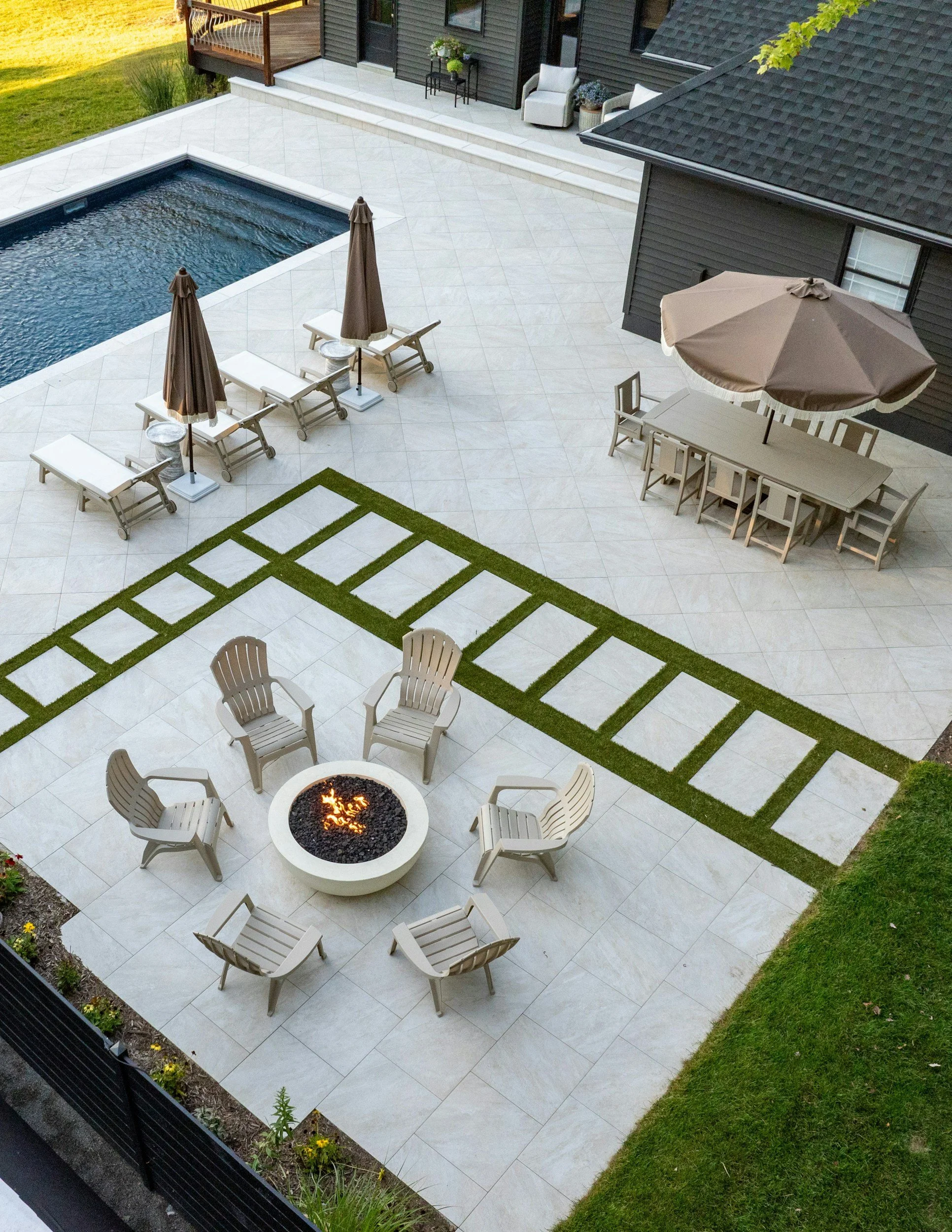
Creating the space you need is key. Whether it’s a dining table, a fireplace, or a pool, each element you choose to integrate into your garden will shape and define the overall design. The important part is adapting the landscape around those elements so the finished space feels intentional, functional, and within your budget.
Start with priorities and scale
List must-haves versus nice-to-haves. A clear priority list helps allocate budget and space. For example, if outdoor dining is essential, reserve a level, accessible area for a table and circulation; if a pool is the priority, plan for excavation, fencing and service access first, then fit other features around it.
Consider scale in relation to your yard. A large fireplace or full-sized pool demands proportionally more open space; smaller yards benefit from compact solutions (a firepit, plunge pool, or spa) that provide the same experience with less footprint.
Adapt design by feature
Dining areas: These can be as simple as a paved slab with a movable table and chairs, or as elaborate as a built-in kitchen with counters and storage. Low-cost options include flagstone, gravel, or a timber deck platform. Mid-range upgrades add a pergola for shade, integrated lighting, and comfortable outdoor furniture. Higher budgets permit full outdoor kitchens, retractable roofs and heating.
Fire elements: A freestanding firepit is a budget-friendly focal point and can be portable. Built-in fireplaces or hearth walls make a stronger architectural statement and often serve as seating anchors; these require greater investment for materials and gas or masonry work. Consider safety setbacks, wind patterns, and placement relative to seating and dining.
Pools and water features: Pools are the most budget- and maintenance-intensive element. A modest plunge pool or hot tub can deliver the water experience in a fraction of the cost and space. Naturalistic ponds and small, recirculating water features offer tranquil sound without the ongoing chemicals and systems required by a pool. If a full pool is desired, plan for decking, fencing, pumps, and winterization from the start so plantings and circulation integrate smoothly.
Multipurpose elements: Choose pieces that serve more than one purpose to maximize value—e.g., a raised planter that becomes bench seating, steps that double as terraced planters, or storage-integrated seating for cushions and garden tools.
Materials and planting to suit budget
Low-budget materials: Gravel, compacted decomposed granite, timber sleepers, and salvaged stone can create attractive surfaces at low cost. Use container planting and simple borders to define rooms without extensive soil work.
Mid-range materials: Natural stone paving, composite decking, and built-in planters make a more refined look and last longer with moderate maintenance.
High-end materials: Custom masonry, poured concrete terraces, premium stone, and integrated lighting systems deliver durable, crafted spaces but at a higher price.
Planting choices: Start with structural plants (evergreens, hedges, specimen trees) to establish the garden’s bones—these influence privacy and scale. Fill in with perennials and annuals according to budget: seed and plugs are economical, mature container plants give instant impact but cost more. Group plants to simplify maintenance and reduce irrigation needs.
Phasing and staged implementation
Break the project into phases to spread cost and allow the landscape to evolve. Phase 1 might be leveling and hardscape for a dining area; Phase 2 adds a fireplace and lighting; Phase 3 installs a pool or larger water feature. Each stage should be designed so it functions independently and integrates into later stages.
Temporary solutions let you test layouts before committing: movable furniture, temporary lighting, and potted trees help you live in the space and refine decisions.
Budget-aware design strategies
Prioritize visibility and approach: invest in the areas you’ll use most often and that are visible from inside the home. A small high-quality patio near the house can feel more luxurious than a larger low-cost installation at the yard’s far end.
Reuse and repurpose existing elements where possible—salvaged stone, existing terraces, or mature trees can be incorporated to save money and preserve character.
Consider lifecycle costs: low initial cost materials can mean higher maintenance; factor irrigation, lighting, and seasonal care into long-term budgeting.
Functional considerations
Circulation: Ensure routes are clear and scaled for everyday use. Consider how people will move between house, parking, service areas and garden features.
Privacy and microclimate: Use screening plants, fences or walls to create comfortable, sheltered rooms. Wind, sun orientation and shade should inform placement of seating, pools, and dining areas.
Services and access: Plan for utilities (gas, water, drainage, electricity) early to avoid costly retrofits when adding fireplaces, outdoor kitchens, or pool equipment.
-
Design is always an interplay between intention and constraint. At Paul Rophe | Landscape Design & Fine Art Photography Vancouver, we treat constraints not as limitations but as fundamental design drivers. Three of the most decisive constraints are the land itself (including slope and existing structures), neighbour boundaries, and budget. Each requires different approaches and together they shape durable, beautiful results.
Slope and existing site conditions
Use slope as an asset: Rather than fighting grade changes, we embrace them to create layered experiences — terraces, steps, raised planting beds, and framed viewpoints. A sloped yard can produce natural privacy screens, dramatic sightlines, or opportunities for water features that feel integrated rather than tacked-on.
Retaining walls as both structure and composition: Retaining walls solve erosion and usable-area issues while becoming compositional elements. Choice of material, height, and proportion will determine whether a wall reads as a rugged feature (natural stone) or a refined architectural plane (smooth concrete, corten steel). Proper drainage and engineering are non-negotiable; good design begins with durable technical solutions that inform aesthetics.
Microclimates and soil: Slope affects sun exposure, moisture retention and wind patterns. Plant palettes are selected for the specific microclimates created by grade and existing trees. Improving soil in key planting areas lets us achieve bold planting schemes even where natural soil is poor.
Neighbour borders and site context
Respectful adjacency: Boundaries with neighbours should prioritize privacy, light access and sightlines for both properties. Design interventions like hedges, trellised screens, or layered plantings can provide screening without creating antagonistic walls.
Scale and proportion: The scale of structures and plantings near property lines must be tuned so they don’t overwhelm neighbouring spaces. For example, a sequence of lowered planting beds and staggered taller shrubs can provide privacy while maintaining a human scale.
Legal and practical considerations: Setbacks, easements, and municipal regulations will influence placement of hardscape and structures. Early coordination — surveying, clarifying fence lines, and checking bylaws — prevents costly rework and helps integrate the design with the broader streetscape.
Budget as a creative parameter
Prioritise impact areas: With a clear budget, we identify high-value interventions that deliver the most visual and functional benefit — for example, a primary seating terrace, key specimen plants, or durable pathways. Less critical elements can be phased.
Phasing and materials strategy: Phasing allows clients to spread costs over time while maintaining a coherent long-term vision. Choosing long-lasting materials for core elements (drainage, retaining walls, main terrace) and using cost-effective finishes for secondary areas balances durability and cost.
Lifecycle costs vs. upfront cost: A low-cost surface that requires frequent replacement or heavy maintenance often becomes more expensive over time. We evaluate irrigation, lighting and planting for long-term operating costs and recommend solutions that reduce maintenance without sacrificing design intent.
How constraints become design opportunities
Narrative coherence: Constraints help define a yard’s character. A steep slope might lead to a layered, intimate garden; a tight urban lot with close neighbours can evolve into a series of small outdoor rooms; a modest budget can encourage inventive reuse of materials and lean, elegant planting.
Technical-first aesthetics: Starting with structural and regulatory constraints ensures design decisions are resilient. When technical needs (drainage, retaining, access) are resolved first, the aesthetic decisions that follow are more successful and enduring.
Collaboration and communication: Early, transparent conversations about site limits, neighbour concerns and budget priorities produce realistic, creative outcomes. Engaging engineers, arborists or neighbours early reduces surprises and fosters solutions that everyone can support.
In practice: design decisions driven by constraints
Example choices guided by slope: steps, tiered planting, integrated seating, erosion-tolerant groundcovers, and discreet structural walls with planted faces.
Example choices guided by neighbour borders: staggered screening, green walls or trellises, noise-buffering plantings, and careful placement of lighting to avoid spill.
Example choices guided by budget: robust core hardscape, phased softscape roll-out, reclaimed or modular materials, and a limited palette of high-impact specimens.
Constraints are not roadblocks but the framework within which a durable, site-responsive landscape emerges. Thoughtful, technically sound design that honours slope, boundary conditions and budget produces outdoor spaces that feel inevitable — natural extensions of
Design is always an interplay between intention and constraint. At Paul Rophe | Landscape Design & Fine Art Photography Vancouver, we treat constraints not as limitations but as fundamental design drivers. Three of the most decisive constraints are the land itself (including slope and existing structures), neighbour boundaries, and budget. Each requires different approaches and together they shape durable, beautiful results.
Slope and existing site conditions
Use slope as an asset: Rather than fighting grade changes, we embrace them to create layered experiences — terraces, steps, raised planting beds, and framed viewpoints. A sloped yard can produce natural privacy screens, dramatic sightlines, or opportunities for water features that feel integrated rather than tacked-on.
Retaining walls as both structure and composition: Retaining walls solve erosion and usable-area issues while becoming compositional elements. Choice of material, height, and proportion will determine whether a wall reads as a rugged feature (natural stone) or a refined architectural plane (smooth concrete, corten steel). Proper drainage and engineering are non-negotiable; good design begins with durable technical solutions that inform aesthetics.
Microclimates and soil: Slope affects sun exposure, moisture retention and wind patterns. Plant palettes are selected for the specific microclimates created by grade and existing trees. Improving soil in key planting areas lets us achieve bold planting schemes even where natural soil is poor.
Neighbour borders and site context
Respectful adjacency: Boundaries with neighbours should prioritize privacy, light access and sightlines for both properties. Design interventions like hedges, trellised screens, or layered plantings can provide screening without creating antagonistic walls.
Scale and proportion: The scale of structures and plantings near property lines must be tuned so they don’t overwhelm neighbouring spaces. For example, a sequence of lowered planting beds and staggered taller shrubs can provide privacy while maintaining a human scale.
Legal and practical considerations: Setbacks, easements, and municipal regulations will influence placement of hardscape and structures. Early coordination — surveying, clarifying fence lines, and checking bylaws — prevents costly rework and helps integrate the design with the broader streetscape.
Budget as a creative parameter
Prioritise impact areas: With a clear budget, we identify high-value interventions that deliver the most visual and functional benefit — for example, a primary seating terrace, key specimen plants, or durable pathways. Less critical elements can be phased.
Phasing and materials strategy: Phasing allows clients to spread costs over time while maintaining a coherent long-term vision. Choosing long-lasting materials for core elements (drainage, retaining walls, main terrace) and using cost-effective finishes for secondary areas balances durability and cost.
Lifecycle costs vs. upfront cost: A low-cost surface that requires frequent replacement or heavy maintenance often becomes more expensive over time. We evaluate irrigation, lighting and planting for long-term operating costs and recommend solutions that reduce maintenance without sacrificing design intent.
How constraints become design opportunities
Narrative coherence: Constraints help define a yard’s character. A steep slope might lead to a layered, intimate garden; a tight urban lot with close neighbours can evolve into a series of small outdoor rooms; a modest budget can encourage inventive reuse of materials and lean, elegant planting.
Technical-first aesthetics: Starting with structural and regulatory constraints ensures design decisions are resilient. When technical needs (drainage, retaining, access) are resolved first, the aesthetic decisions that follow are more successful and enduring.
Collaboration and communication: Early, transparent conversations about site limits, neighbour concerns and budget priorities produce realistic, creative outcomes. Engaging engineers, arborists or neighbours early reduces surprises and fosters solutions that everyone can support.
In practice: design decisions driven by constraints
Example choices guided by slope: steps, tiered planting, integrated seating, erosion-tolerant groundcovers, and discreet structural walls with planted faces.
Example choices guided by neighbour borders: staggered screening, green walls or trellises, noise-buffering plantings, and careful placement of lighting to avoid spill.
Example choices guided by budget: robust core hardscape, phased softscape roll-out, reclaimed or modular materials, and a limited palette of high-impact specimens.
Constraints are not roadblocks but the framework within which a durable, site-responsive landscape emerges. Thoughtful, technically sound design that honours slope, boundary conditions and budget produces outdoor spaces that feel inevitable — natural extensions of the site rather than imposed additions.
-
Design fees are commonly calculated as a percentage of the overall project budget; a recommended baseline is 8% (for example, $8,000 on a $100,000 project). This percentage covers concept development, coordination, revisions and the professional design thinking that shapes the final outcome.
We also strongly recommend producing a 3D design before proceeding to detailed 2D drawings. Benefits of a 3D-first workflow:
Visual clarity: 3D models give a realistic sense of scale, materials, light and spatial relationships that flat plans cannot convey.
Early issue detection: Problems with sightlines, grading, plant massing or hardscape proportions are easier to spot and resolve in 3D, reducing costly changes later.
Better decision making: Clients and stakeholders can compare options quickly and approve finishes, furniture, planting palettes and lighting with confidence.
Smoother documentation: Once the 3D model is approved, producing accurate 2D construction drawings, planting plans and specification schedules is faster and less error-prone.